
Review · GLASGOW TOURS
The Clydeside Tour
Whisky makes Glasgow’s riverfront smell wonderful. The Clydeside Tour gives you a clear look at how Scotland’s national drink is made, from the old dockside setting to the final tasting of three whiskies. I especially like the compact one-hour format and the way the tasting shows how different casks change the spirit. Guides such as David, Julia, Matthew, and Austin R have also earned praise for mixing useful facts with good humor.
The main drawback is that one hour passes quickly. If you already know whisky well, the basic production story may feel familiar, and the standard tour leaves little time for a long tasting or a leisurely look around the building.
In This Review
- Key points to know before you go
- Arriving at the Clydeside Distillery on Stobcross Road
- The Dockside Story and Glasgow’s whisky revival
- Behind the scenes: how Clydeside makes its spirit
- Three wee drams and a lesson in cask flavor
- The whisky bar, cafe, and room to linger
- Is the $27.04 price good value?
- Who will enjoy this one-hour Glasgow experience?
- Practical details that make the visit easier
- The main strengths and the few limits
- Should you book The Clydeside Tour?
- FAQ
- Where does The Clydeside Tour start?
- Where does the tour end?
- How long does the tour last?
- How many whisky samples are included?
- Is the tasting glass included?
- Is the tour offered in English?
- How large is the tour group?
- Can I visit the whisky bar?
- Can I cancel for a full refund?
Key points to know before you go
- Glasgow’s first new single-malt distillery in more than a century: Clydeside links modern whisky production with the city’s old docklands.
- Three whisky tastings included: You learn to nose and taste the spirit while comparing the effect of different casks.
- A practical one-hour visit: It fits neatly into a busy day in Glasgow and works well alongside other city attractions.
- Small groups of up to 20 people: This keeps the presentation more personal than a large factory-style tour.
- Whisky bar and food nearby: Add a Clydeside dram, cocktail, local beer, soft drink, or a bite at the cafe.
- Book ahead for popular times: The tour is often booked about 25 days in advance.
Arriving at the Clydeside Distillery on Stobcross Road
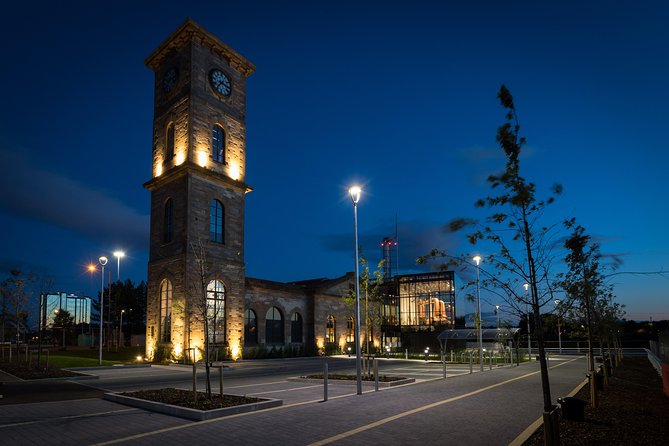
The tour begins at The Clydeside Distillery, 100 Stobcross Road, Glasgow G3 8QQ. It sits beside the River Clyde in the old Queens Dock area, a location that gives the visit more meaning than a simple look at tanks and barrels.
Before whisky became the main attraction, this part of Glasgow was tied to shipping, trade, and the movement of goods along the river. The tour uses that setting to explain the Dockside Story, connecting the building and its surroundings to the city’s working past.
You can reach the area by public transport, and the distillery is also served by the Glasgow hop-on, hop-off bus route. One account noted that buses run about every 15 minutes, which makes this a useful stop if you are already touring central Glasgow by bus.
The building also offers views across the Clyde. That matters because the setting helps you understand why this location was chosen. Clydeside is not an isolated rural distillery surrounded by barley fields. It is an urban whisky project tied to Glasgow’s river and industrial identity.
More Glasgow trips:
- Guided Celtic Park Stadium Tour
★ 5.0 · 3,136 reviews - City Sightseeing Glasgow Hop-On Hop-Off Bus Tour
★ 4.5 · 1,873 reviews - Oban, Glencoe, Highlands Lochs & Castles Small Group Day Tour from Glasgow
★ 5.0 · 1,432 reviews
The Dockside Story and Glasgow’s whisky revival
Clydeside presents itself as the first single-malt distillery established in Glasgow in more than 100 years. That fact gives the tour a strong local angle. You are not simply learning how whisky is produced in Scotland. You are learning why Glasgow is once again making single malt in the city.
The guide explains the connection between whisky and the Clyde, along with the role Queens Dock once played. This background is one of the best parts of the visit because it gives the production process a sense of place.
I would pay attention here even if whisky is not your main reason for booking. Several people who arrived mainly for the history of Glasgow found the site story just as interesting as the tasting. The tour can work for a mixed group, with one person focused on whisky and another more interested in the city’s industrial past.
The presentation is delivered in English, and guides are frequently praised for being friendly, clear, and entertaining. David is described as amusing, Julia as fun and well informed, and Matthew as professional and welcoming. One particularly mixed-up account could not remember whether the guide was Phin, Gary, or Andrew, but still remembered the presentation warmly. That is a useful sign: the personality of the guide adds a lot to the hour.
Behind the scenes: how Clydeside makes its spirit
The central part of the tour explains how Clydeside handcrafts its spirit using traditional methods. You get a behind-the-scenes look at the distillery process rather than only standing in a visitor center and looking at display panels.
The production story leads you through the foundations of single malt whisky. The guide explains how the spirit is made and how the distillery’s methods shape the final drink. The supplied details do not promise access to every working area at every moment, so you should think of this as a guided introduction to production rather than a long technical master class.
That distinction matters. The tour is aimed at curious drinkers, first-time whisky tasters, and people who want a readable overview. You will come away with a better idea of how whisky moves from raw ingredients and spirit production toward maturation in casks.
The one-hour schedule keeps the pace moving. I see this as a strength for a city visit, but it also means you may want more detail if you are already comfortable discussing distillation, maturation, and cask management. The tour gives you a strong foundation, not an advanced course.
One sensory detail comes through clearly: the smell inside the distillery is part of the pleasure. The aroma of the working site was described as especially appealing, and that helps make the process feel real. Whisky is not just a drink served in a glass at the end. It is also about scent, wood, time, and place.
Three wee drams and a lesson in cask flavor
The tasting is the payoff. At the end, you nose and taste three different whiskies, learning how to compare them rather than simply swallowing a sample and asking if you like it.
The important lesson is the effect of the cask. Different casks impart different flavors, and the tasting shows how those choices help form the character of Clydeside single malt whisky. This is valuable for beginners because it gives you a method. Notice the smell first. Take a small taste. Compare one whisky with the next. Think about what changed.
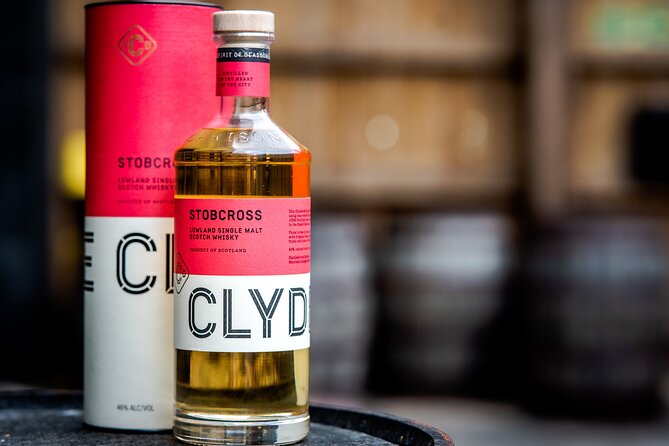
The samples are often described as generous, and you keep the tasting glass afterward. That small glass is a useful souvenir because it links directly to the experience instead of being a generic branded item. One account described receiving a glass after tasting four drinks, but the standard tour information specifies three wee drams, so plan on three included whisky samples.
You may also have the chance to try other whiskies available for sale, including a limited edition and a sherry-cask expression. These extras are not the core included tasting, so expect to pay more if you choose additional pours or a bottle.
The tasting works for people who are new to whisky. One person who had always felt unsure about whisky found the experience less intimidating after learning how to taste it. Another attendee did not drink alcohol but tried small amounts and still found the tour worthwhile. The guide can make the subject feel approachable rather than stiff or overly technical.
If you do not drink, or if you dislike whisky, the visit still has value through the Glasgow history and production explanation. The tasting is central, though, so you should not book this expecting a non-drinking attraction with whisky merely in the background.
A completely different kind of day out:
- Glasgow City Centre Walking Tour with Local Guide
★ 5.0 · 1,326 reviews - Loch Ness & the Highlands Day Tour from Glasgow Including Cruise
★ 5.0 · 1,211 reviews - Celtic Park Tour & Dine Package
★ 5.0 · 998 reviews - Glasgow: Loch Ness, Glencoe, and the Highlands Day Tour
★ 4.5 · 806 reviews
The whisky bar, cafe, and room to linger
You can visit the whisky bar before or after the tour. It offers Clydeside drams, cocktails, local beer, soft drinks, and other ways to extend your stop without committing to another full activity.
This is a practical addition if you want to discuss the tasting while the flavors are still fresh. It also lets non-whisky drinkers enjoy something of their own. A cafe is also mentioned as a pleasant place for a quick bite, and the smell of the food attracted favorable attention.
I would allow extra time if you want lunch, a drink, or a look through the shop. The tour itself lasts about an hour, but the full stop can be longer if you browse bottles or sit down afterward.
The shop is useful for anyone searching for a Glasgow whisky gift. A birthday visitor used gift vouchers to buy a bottle and then enjoyed lunch with the remaining money. That is a good reminder that the experience can turn into a broader food-and-drink stop, not just a timed walk through the distillery.
Is the $27.04 price good value?
At $27.04 per person, the tour is fairly priced for a guided distillery visit with three tastings and a souvenir glass. You are paying for more than a drink flight. The fee also covers the explanation of Glasgow’s dockside past, the production walk-through, and the guidance on how to taste.
The value is strongest if you are new to whisky or want a convenient introduction without leaving Glasgow. You avoid the travel time needed to reach a countryside distillery, yet still get the sights, smells, and story of whisky production.
The calculation changes slightly for an experienced whisky drinker. You may already know the basic production stages, and an hour may not offer enough technical detail to justify the cost by itself. In that case, the three drams, cask comparison, glass, and urban setting need to be the part that interests you.
Remember that drinks from the whisky bar, extra samples, food, and bottles are additional purchases. The included tasting is enough to make a fair first impression, but you can easily spend more once you are looking at limited editions and sherry-cask whisky.
Who will enjoy this one-hour Glasgow experience?
I would recommend Clydeside to first-time whisky drinkers, couples, small groups, and anyone with only one day in Glasgow. It fits well between other attractions, and one account managed to combine it with two more city sights during the same day.
It also suits a group with mixed interests. Whisky fans get production details and tastings. History-minded visitors get the Queens Dock and Clyde story. People who do not drink can still follow the presentation, though the final tasting will naturally be less important to them.
Families may also find the hour manageable. A seven-year-old accompanied adults on one visit and enjoyed the tour, but the experience is built around whisky, so adults should decide if that theme suits their children. The information provided does not state a general minimum age or a specific child policy.
The group size is capped at 20 people. That is small enough for questions and conversation, while still large enough to feel like a proper scheduled tour. Since the activity is frequently booked around 25 days ahead, I would reserve early if your Glasgow schedule is tight.
Practical details that make the visit easier
You receive confirmation at booking, and a mobile ticket is accepted. The activity starts and ends at the distillery, so you do not need to arrange a separate return transfer.
The tour is offered in English. It is near public transportation, and service animals are allowed. The supplied information says most people can participate, but it does not provide a detailed breakdown of stairs, walking distances, seating, or wheelchair access. If you have specific mobility needs, contact the distillery before booking.
The maximum group size is 20 people. Allow a little extra time around the one-hour tour if you want to visit the whisky bar, cafe, shop, or tasting counter.
Cancellation is flexible up to 24 hours before the start time for a full refund. Changes or cancellations made less than 24 hours before the start time are not accepted for a refund, and the cut-off follows Glasgow local time.
The main strengths and the few limits
The biggest strength is the guide-led presentation. The best guides make the tour both educational and light, using humor without losing the production details. David, Julia, Matthew, Austin R, and Bri are all singled out for making the visit friendly and easy to follow.
The second strength is the balance between history and tasting. The Clyde and Queens Dock setting gives the tour a local identity, while the three drams give you something concrete to compare.
The main limit is duration. One hour is ideal for a packed itinerary, but it can feel short if you want a slow look at the building, a detailed whisky lesson, and a long tasting. One less enthusiastic account found the tour only average, although the staff still made an extra effort to help a party member who could not attend. That is a reminder that the experience depends partly on your guide and your expectations.
I would also keep the word distillery in perspective. This is a modern urban production visit, not a remote estate tour. If your dream is a long country drive, broad outdoor views, and an entire afternoon among old warehouses, this is a different kind of whisky experience.
Should you book The Clydeside Tour?
Yes, if you want an accessible introduction to Glasgow whisky with a strong local story. The $27.04 price is reasonable for the guided production visit, three drams, and tasting glass, especially when you value the convenience of a city-center stop.
Book it if you are new to whisky, traveling with someone who is, or building a busy Glasgow day around short attractions. Add time for the bar or cafe if you want the visit to feel less rushed.
Skip it only if you already know the basic whisky process and want a long, highly technical distillery day. For most visitors, Clydeside offers a friendly, useful first taste of Glasgow’s whisky revival, with just enough history to keep the drink connected to the river outside.
FAQ
Where does The Clydeside Tour start?
The tour starts at The Clydeside Distillery, 100 Stobcross Road, Glasgow G3 8QQ, UK.
Where does the tour end?
The activity ends back at the meeting point at The Clydeside Distillery.
How long does the tour last?
The guided experience lasts approximately one hour.
How many whisky samples are included?
The tour includes three wee drams. You learn to nose and taste them while comparing how different casks affect the spirit.
Is the tasting glass included?
The tour information and visitor feedback indicate that you can keep the glass used for the tasting.
Is the tour offered in English?
Yes. The experience is offered in English.
How large is the tour group?
The maximum group size is 20 people.
Can I visit the whisky bar?
Yes. You can visit the whisky bar before or after the tour for Clydeside drams, cocktails, local beer, soft drinks, and other refreshments.
Can I cancel for a full refund?
Yes, if you cancel at least 24 hours before the experience start time. Cancellations or changes made less than 24 hours before the start time are not accepted for a refund.
Just added in Glasgow
- Stirling to Glasgow Luxury Car Transfer★ 5.0 · 1 review
- Day Tours & Shore Excursions Glasgow, Greenock & across Scotland★ 5.0 · 21 reviews
- Glasgow Greenock Shore Excursion Highland Lochs, Castles & Glens★ 5.0 · 6 reviews
- Glasgow Shore Excursions (Princess & Norwegian Cruise Ships)★ 5.0 · 2 reviews
- Glasgow; Glencoe, Oban & Highlands Private 11 Hour Tour★ 5.0 · 2 reviews
- Glasgow Luxury Private Day Tour with Scottish Local★ 5.0 · 2 reviews
- Glasgow Airport (GLA) to St Andrews Luxury Transfer★ 5.0 · 1 review
- Glasgow Airport to City Mercedes Minivan★ 5.0 · 1 review
Glasgow Tours, compared.
City Sightseeing Glasgow Hop-On Hop-Off Bus Tour
Read our review →
Oban, Glencoe, Highlands Lochs & Castles Small Group Day Tour from Glasgow
Read our review →
Glasgow City Centre Walking Tour with Local Guide
Read our review →
Loch Ness & the Highlands Day Tour from Glasgow Including Cruise
Read our review →
Also on these Scottish lists